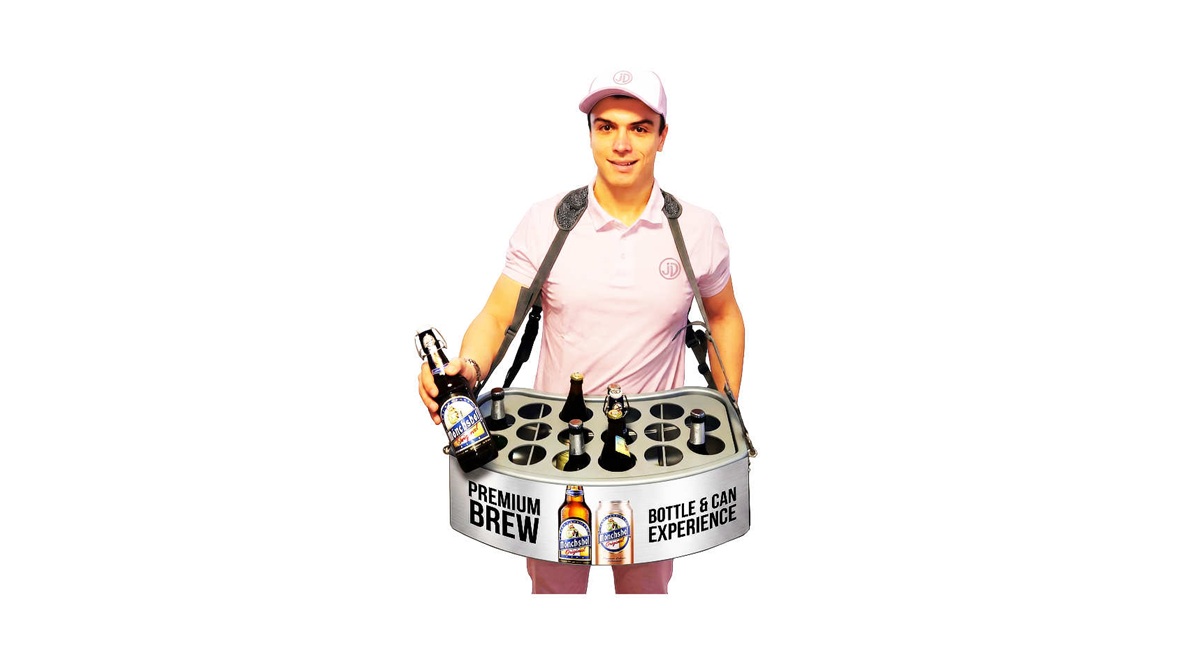
Real-World Efficiency: Seeing the Rocketpacks System in High-Traffic Zones
- Stay refreshed on the go with the backpack drink dispenser!
- Ideal for serving beverages at events, festivals, and parties.
- Convenient, portable, and ready to keep the drinks flowing.
FAQ – What Can You Learn from a Backpack Drink Dispenser Video?
The video shows how a wearable beverage system can be handled while the operator moves through an event environment. It gives a useful impression of carrying, serving and direct customer contact, but it does not replace the technical selection of the correct backpack, container and dispensing equipment.
Which parts of the serving process can be assessed in the demonstration?
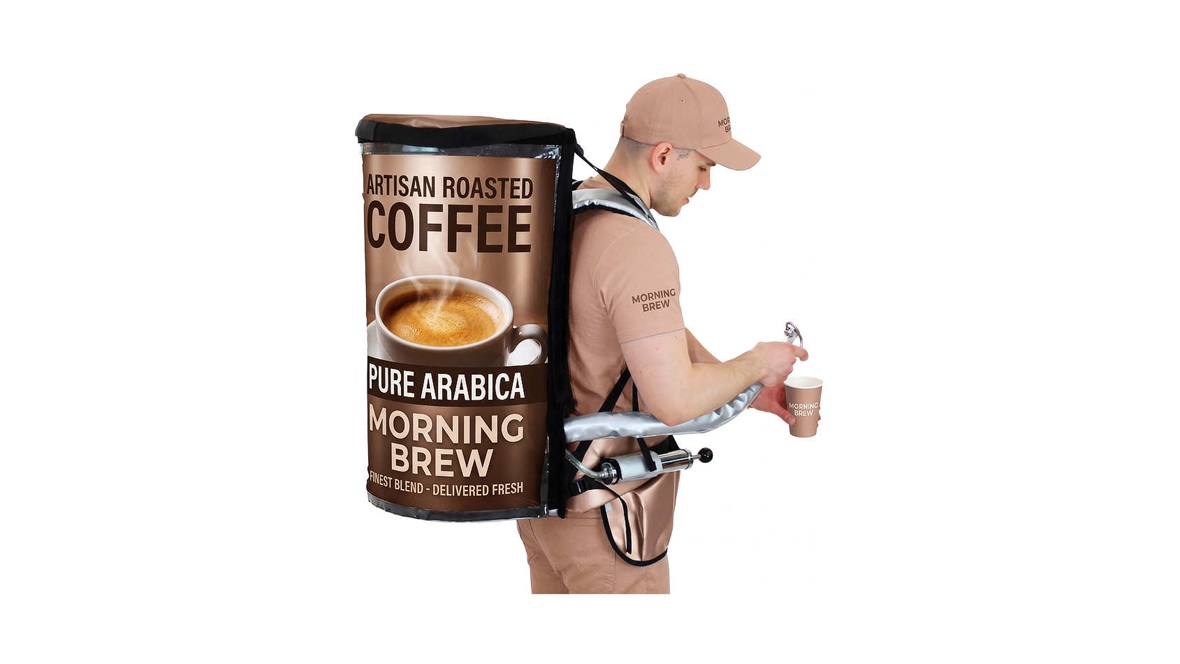
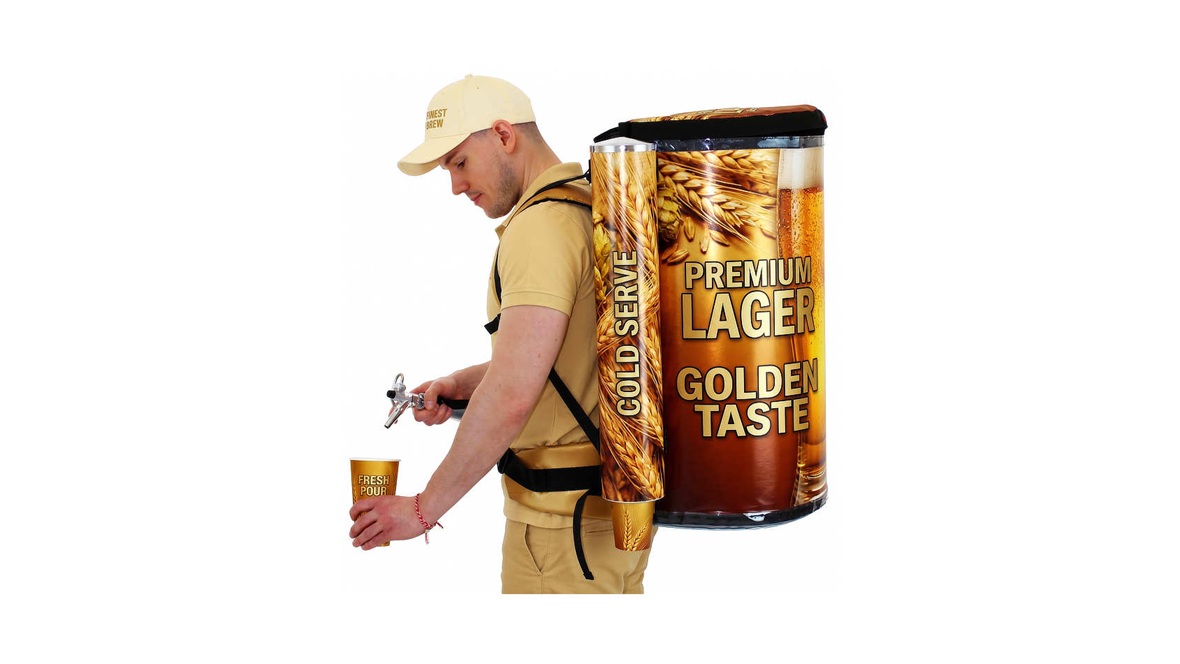
The recording mainly makes the movement and serving sequence visible. Viewers can observe how the operator approaches customers, positions the tap above the cup and carries the equipment while changing direction.
Preparation before service, filling, pressure adjustment, cleaning and refilling may not be shown. These steps must still be included when the complete working procedure is planned.
What should be observed when the operator walks with the backpack?
The backpack should remain stable without forcing the wearer to hold it in position by hand. Shoulder straps and any additional support must be adjusted before the beverage is loaded, because the carrying behaviour changes considerably once the container is filled.
A route test should include turning, stopping, passing through doorways and moving around tables or seating. Watching straight-line movement in a short clip is not enough to assess the actual workplace.
Why is the complete filled weight more important than the appearance of the system?
The wearer carries the empty unit, the beverage, the dispensing components, cups and any service accessories together. The visible size of the backpack therefore provides only a limited indication of the load placed on the operator.
We recommend preparing one unit exactly as it will be used and weighing the complete configuration. When the load is too demanding for the planned route, a lower working fill or more frequent operator changes may be more practical than using the full container volume.
How can the footage help with planning a service route?
The video illustrates that the point of service moves with the operator. This allows the organiser to consider where staff can circulate without obstructing entrances, emergency routes, seating rows or fixed catering stations.
The planned route must also lead back to a suitable refill and cleaning area. A mobile dispenser reduces dependence on a fixed counter during serving, but it does not remove the need for organised beverage supply and staff coordination.
What does the handling of the tap reveal?
The tap movement shows whether a drink can be started and stopped with one hand while the other hand remains available for the cup. Controlled shut-off is particularly important when the operator is standing close to customers or serving in narrow spaces.
A demonstration cannot confirm that the same tap is suitable for every beverage. Flow behaviour changes with temperature, carbonation, pressure, viscosity and the selected hose arrangement.
Why should the intended cup be tested before the event?
The final cup influences both portion control and the physical serving movement. Height, rim diameter, stiffness and usable volume determine how easily the operator can position and fill it.
The cup must also fit any dispenser supplied with the backpack. Several nested cups should be tested together, because an individual sample may fit even though a complete stack jams or releases more than one cup at a time.
How should cups and payment items be arranged on the operator?
Frequently used items must be reachable without twisting the body or removing the backpack. Cups, payment equipment, napkins and other small accessories should each have a defined position before service starts.
Overloading an apron or attaching loose objects to the outside of the system can interfere with walking and dispensing. The arrangement should therefore be tested while the unit is filled, not only while it is empty on a workbench.
What cannot be confirmed by watching the liquid flow in the recording?
A short pour does not establish a guaranteed dispensing rate. The result shown applies only to the beverage, temperature, pressure, filling level, tap and hose configuration used during that particular recording.
For operational planning, several consecutive portions should be filled under the intended conditions. The test should record whether the flow changes as the container level falls and whether dripping, foaming or air interruptions occur.
Why must the beverage be specified before choosing the demonstrated configuration?
The beverage determines which container, outlet, hose, tap and pressure method are required. A version prepared for a still drink should not be assumed to work with beer or another carbonated product merely because the outer backpack looks similar.
Hot drinks also require components suitable for the intended filling temperature. Ingredients such as sugar, fruit pulp, milk or coffee oils can additionally influence flow and cleaning requirements.
What changes when a carbonated beverage is intended?
Carbonated service requires a confirmed pressure-capable configuration rather than an improvised modification of a still-drink system. The container, connections, hose, regulator and tap must be suitable for the beverage and intended operating pressure.
Before the backpack is worn, the assembled liquid and pressure path must be checked for leaks. A carbon-dioxide cylinder must be secured in the designated position, and all pressure must be released before components are disconnected.
How should the system be prepared before the first customer is served?
The complete beverage path should be assembled, inspected and tested before the operator enters the service area. The container closure, seals, hose connections and tap must sit correctly, and the carrying system must be adjusted for the assigned wearer.
The line may also need to be filled with beverage before normal serving begins. This removes trapped air and allows the operator to check the initial flow and tap closure away from customers.
Why is a water test useful before using the actual drink?
A water test can reveal loose connections, restricted flow and tap leakage without wasting the intended beverage. It is particularly helpful after storage, transport, replacement of a hose or reassembly following cleaning.
Water testing does not confirm compatibility with every drink. Beer may foam, coffee may leave oils and beverages containing sugar or particles may behave differently inside the same line.
What does the demonstration not prove about beverage temperature?
The recording does not show how the drink temperature develops over the complete service period. Passive insulation slows temperature change but does not actively heat or refrigerate the beverage.
The actual result depends on starting temperature, filling quantity, ambient conditions, opening frequency and the duration of the route. A practical temperature test should therefore be performed with the selected model and the intended beverage.
How can refilling be organised without interrupting mobile service?
A separate preparation point should supply beverage, clean components and replacement consumables. The operator returns there when the working quantity is exhausted or when a technical check is necessary.
For continuous service, organisers can stagger refill times between several operators. Refilling should not take place in the middle of a crowd where open containers, hoses and small components cannot be handled in a controlled manner.
When is a lower filling quantity more practical than a full container?
A reduced fill is useful when the route is long, the wearer is smaller, stairs are involved or the expected demand does not justify carrying the maximum quantity. Mobility and safe handling can be more important than avoiding every refill.
The working quantity should be chosen through a route test with the actual operator. Tank capacity describes the container, but it does not automatically define the most suitable load for each event.
How can the video be used when briefing service staff?
The footage can introduce the general movement and dispensing concept before practical training begins. Staff can see the intended orientation of the backpack, the position of the hose and the way the tap is brought towards the cup.
Each operator must still practise with a filled unit. The briefing should cover loading, adjustment, route rules, communication with customers, refill procedures, spill response and the point at which service must be stopped.
Which faults require the operator to leave the service area?
Service should stop when liquid escapes from a connection, the tap no longer closes, the hose is damaged, the load becomes unstable or a required pressure source does not operate correctly. Continuing to serve can enlarge a minor defect and contaminate clothing, floors or the beverage path.
The unit should be returned to the designated service point for inspection. Pressure-related components should not be opened or repaired while the backpack is being worn or while customers are standing nearby.
What should be checked after the last serving?
The remaining beverage must be removed according to the applicable handling procedure, and every product-contact component must be cleaned. This includes the container, outlet, connections, hose and internal parts of the tap.
After rinsing, the components should be allowed to drain and dry before storage. Closing a damp system for a longer period can leave moisture in areas that are difficult to inspect before the next event.
Which information is needed to select the correct system after watching the video?
The manufacturer needs the operating conditions rather than only a reference to the backpack shown in the recording.
- name and composition of the intended beverage,
- still or carbonated product,
- planned filling and serving temperature,
- required quantity per operator,
- cup size and rim diameter,
- expected route and serving period,
- number of systems required,
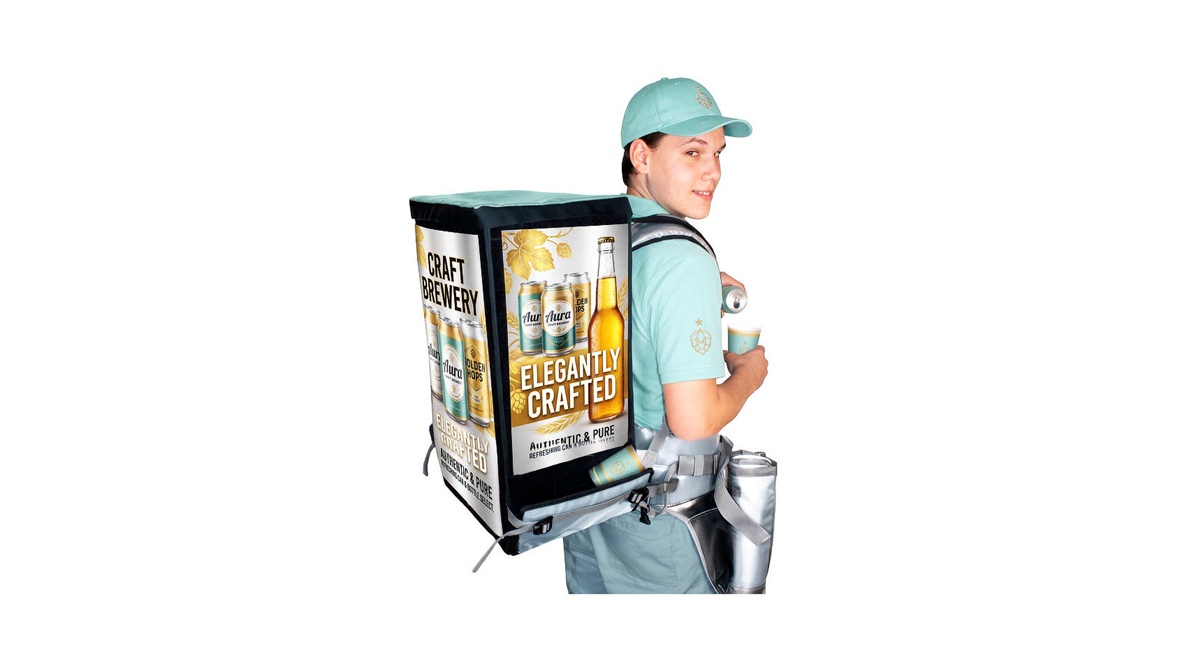
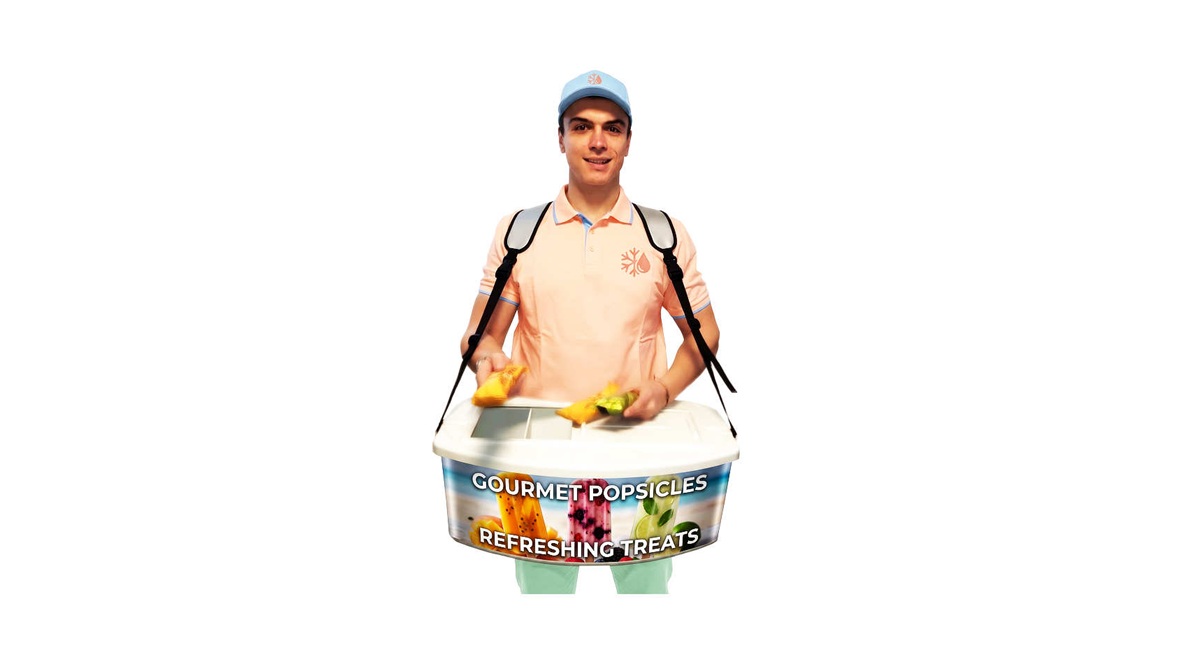
- required accessories and advertising elements,
- delivery destination and event date.
These details allow us to determine whether the shown arrangement is suitable or whether a different container, outlet, tap or pressure configuration is required.
How should the demonstration influence the purchasing decision?
The video should be used to understand the mobile working principle, not as the sole technical specification. It shows how beverage service can move towards the customer and which handling sequence the operator performs.
The final decision must be based on the confirmed model, beverage compatibility, working load, dispensing method and included equipment. This separation between visual demonstration and written configuration prevents assumptions about features that may belong only to the unit used in the recording.