Nearly 30 Years of Experience in Mobile Beverage Service
Rocketpacks is a family-owned business based in Frankfurt am Main, Germany, specializing in professional beverage backpacks, mobile drink dispensing systems and vendor trays.
Since 1996, we have developed and supplied practical solutions for serving beverages and distributing products directly to people at events and promotional activities.
Our equipment is used by businesses, event organizers, beverage companies and promotional agencies worldwide. We combine product experience with direct customer communication, helping customers select the appropriate equipment for their individual application.
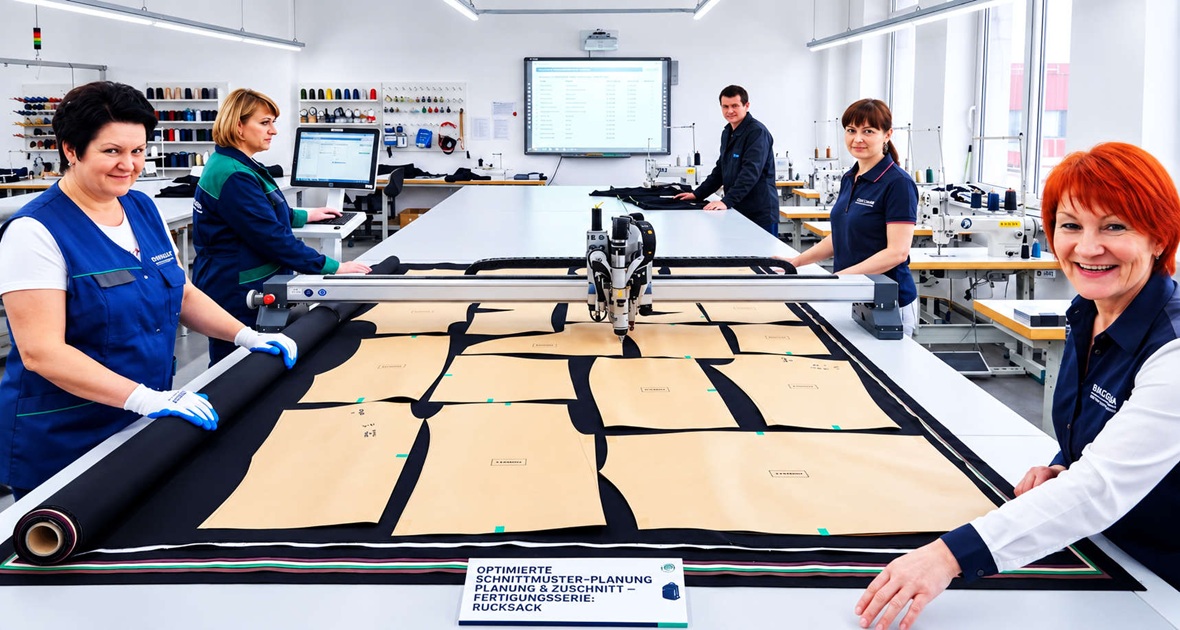
Experience, Product Development and Manufacturing
What began as a specialized business for mobile beverage dispensing equipment has developed into an international product range covering a variety of serving and promotional applications.
Our focus has remained consistent: reliable equipment, practical handling and flexible mobile service. Whether serving beer at a sporting event, coffee at an exhibition or distributing packaged drinks during a promotional campaign, our products are designed to bring beverages closer to the customer.
We work closely with our manufacturing partners to maintain and improve our product range, taking into account practical experience, component availability and customer requirements.
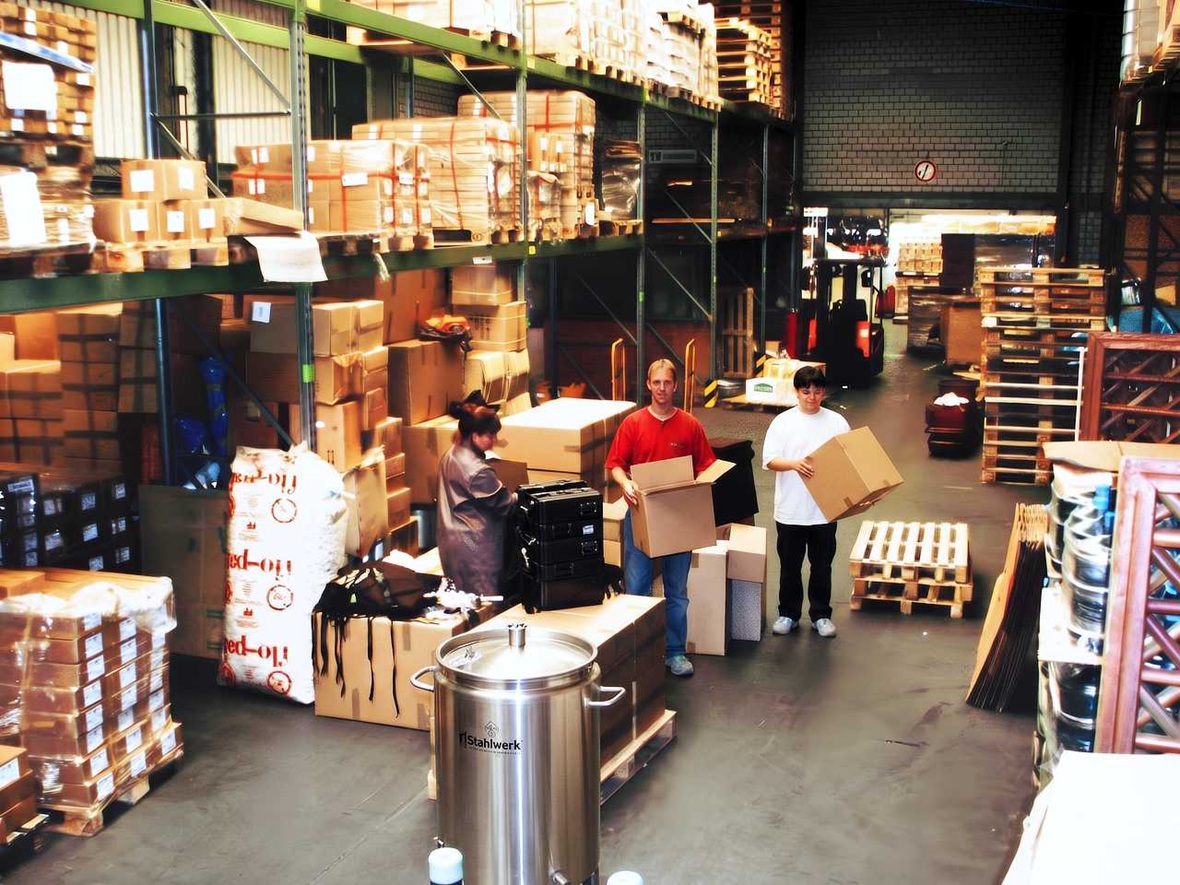
Direct Sales and Worldwide Shipping from Germany
Rocketpacks supplies customers directly from our location in Frankfurt am Main, Germany, without a franchise or distributor network.
Our warehouse and logistics operations support the preparation and dispatch of individual orders as well as larger commercial quantities. We supply businesses, beverage companies, event organizers and promotional agencies throughout Europe and worldwide.
There is no general minimum order quantity. Shipping options, delivery times and transport costs depend on the selected products, order quantity and destination.
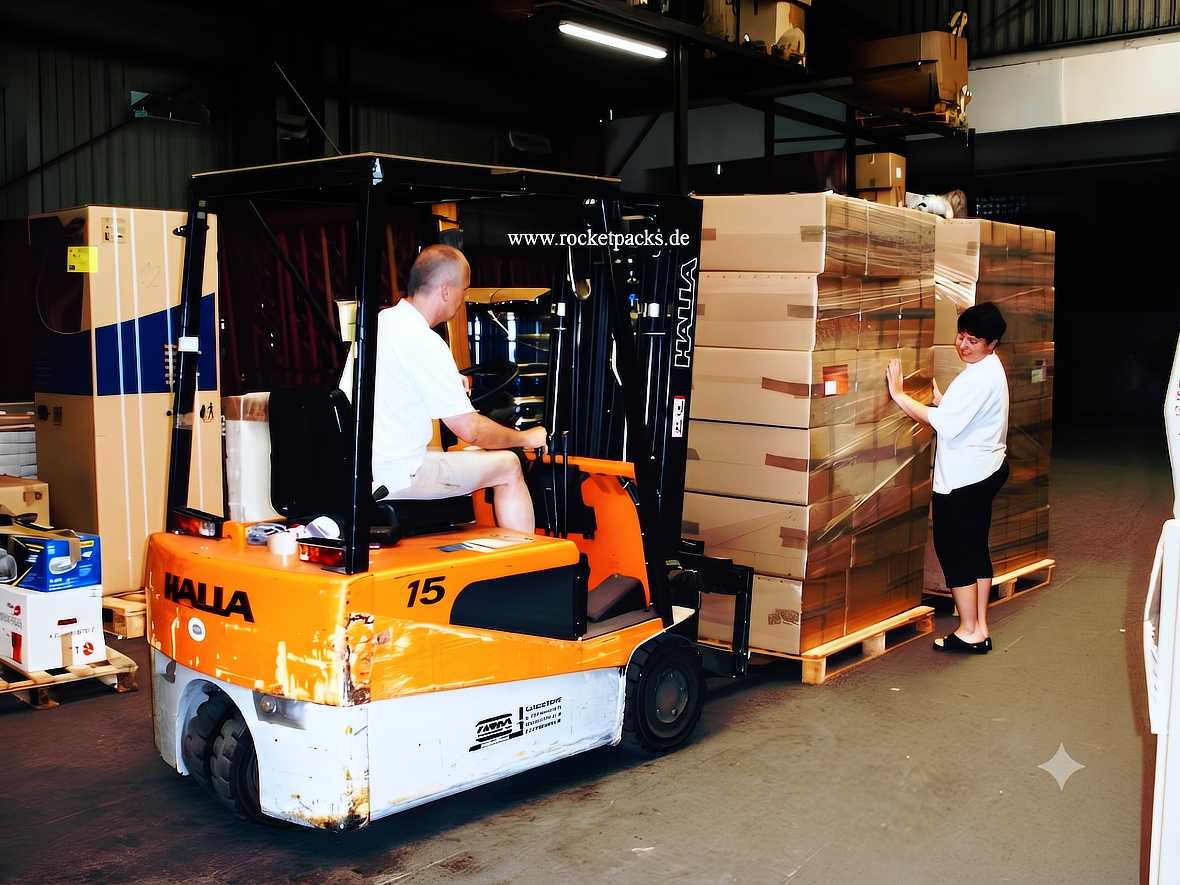
Reliable Order Processing and International Logistics
From individual product orders to larger commercial shipments, Rocketpacks coordinates the preparation and dispatch of beverage dispensing equipment according to customer requirements.
Our international shipping experience includes parcel deliveries, palletized freight and export shipments. We work with established transport and logistics providers to arrange suitable shipping solutions for different destinations and order volumes.
Customers receive information about shipping arrangements, expected delivery times and the relevant documentation for their orders.
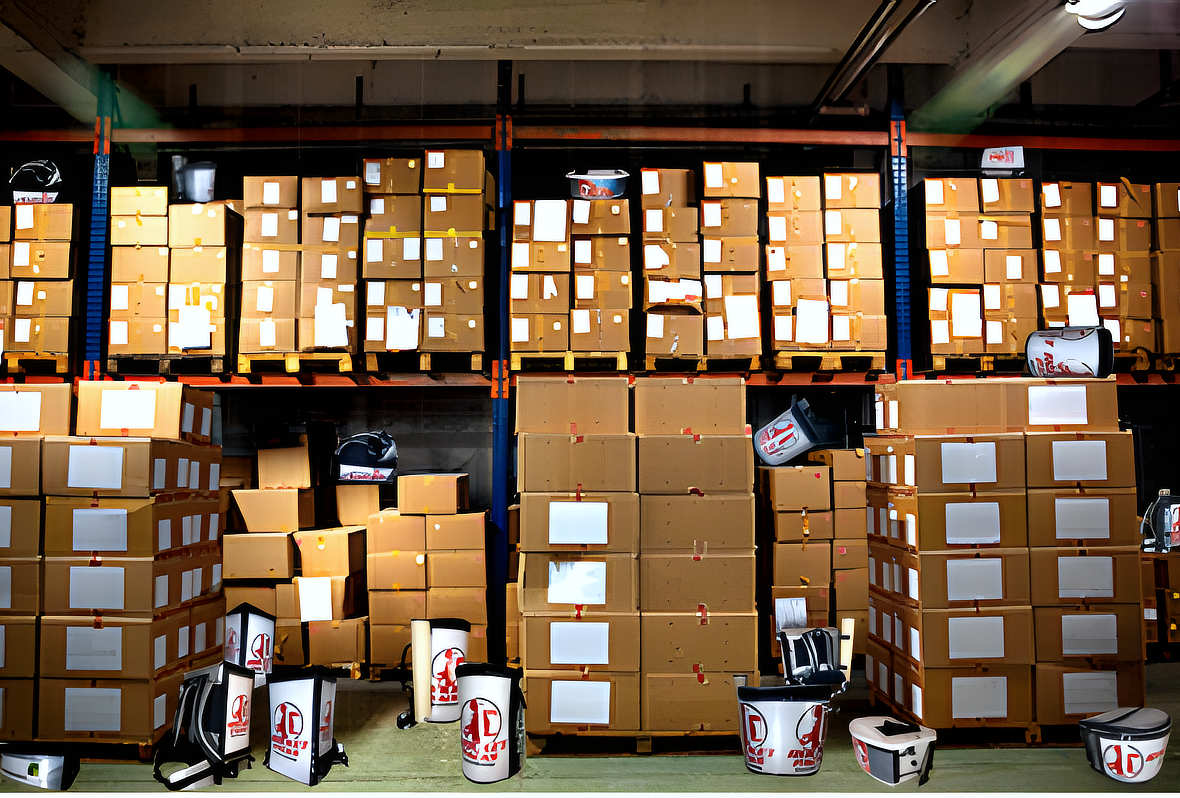
Professional Beverage Backpacks and Vendor Trays
Rocketpacks offers a comprehensive range of mobile beverage dispensing systems, vendor trays and accessories for professional use at events, festivals, stadiums and promotional campaigns.
Our product range includes compact 5-liter beverage dispensers, professional 11-liter, 15-liter and 19-liter backpack systems, dual-tank configurations, bottle and can carriers, and promotional vendor trays.
We maintain warehouse stock of selected products and accessories to support individual orders and larger commercial projects. Product availability and delivery times depend on the selected model and required quantity.
Our team can assist customers with product selection, technical configurations, compatible accessories and replacement components.
From Individual Orders to Large-Scale Projects
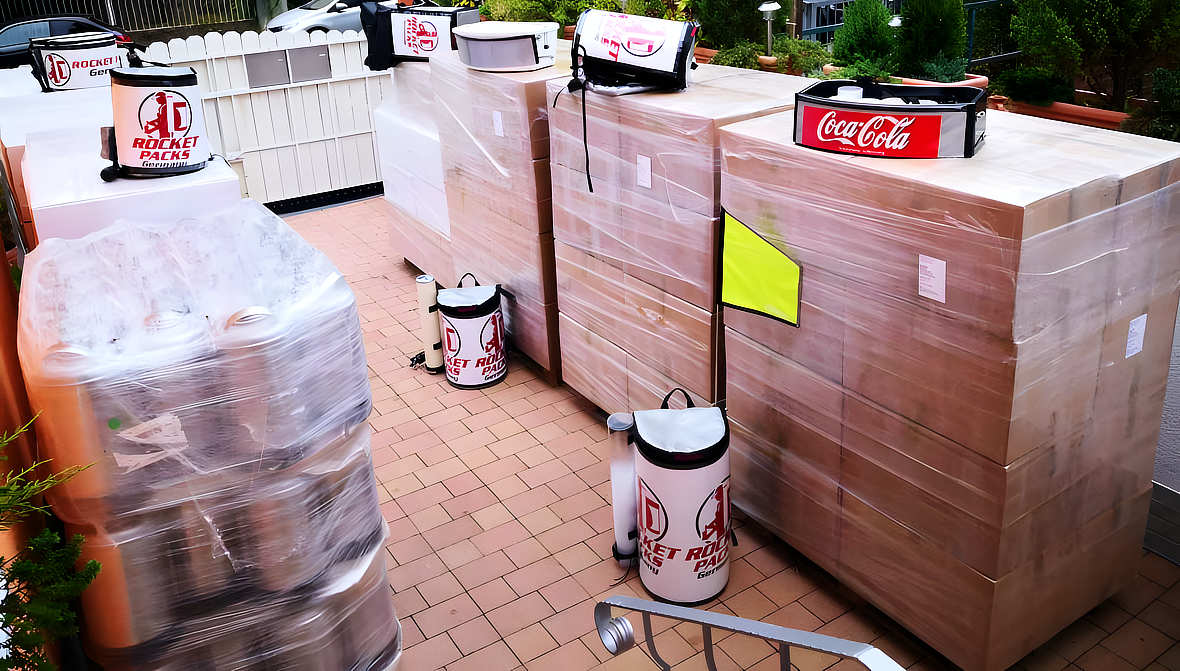
Rocketpacks supplies both individual customers and businesses requiring larger quantities of professional beverage dispensing equipment.
Whether preparing a single beverage backpack or coordinating a commercial shipment, we focus on careful order processing, suitable packaging and reliable communication throughout the purchasing process.
For larger projects, we can discuss product availability, production lead times, shipping arrangements and the required export documentation in advance.
Our direct sales approach allows customers to communicate their requirements directly to our team, from the initial enquiry through to shipment.
Shipping, Spare Parts and Customer Support
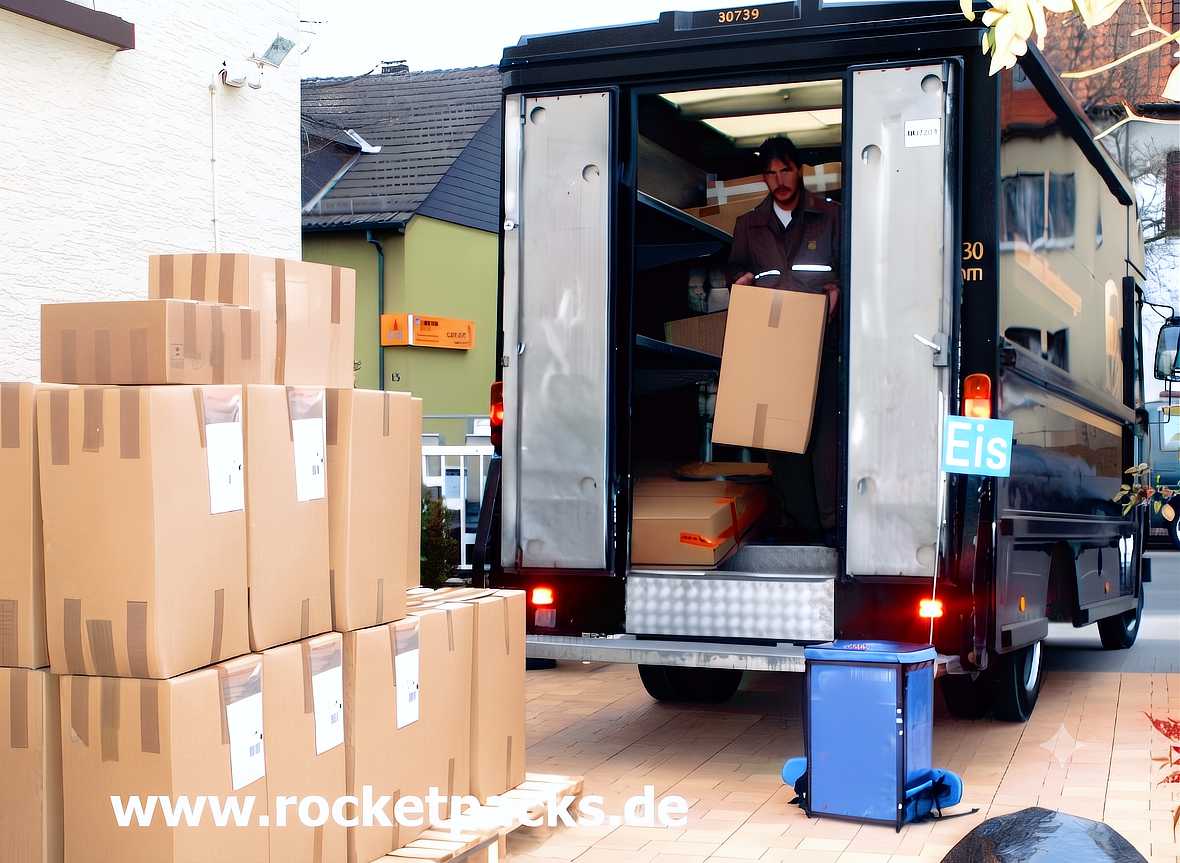
Our commitment to customers continues beyond the initial purchase. Rocketpacks provides international shipping services, product-related assistance and a selection of replacement components for our beverage dispensing systems.
Available spare parts and accessories include beverage tanks, dispensing taps, hoses, cup dispensers, pumps, carrying harnesses and other model-specific components.
Our team assists customers with identifying suitable replacement parts and answering technical questions. Compatibility and availability depend on the individual product model and generation.
Whether you need additional equipment, replacement components or information about an existing product, you can contact us directly for assistance.
International Deliveries and Commercial Projects
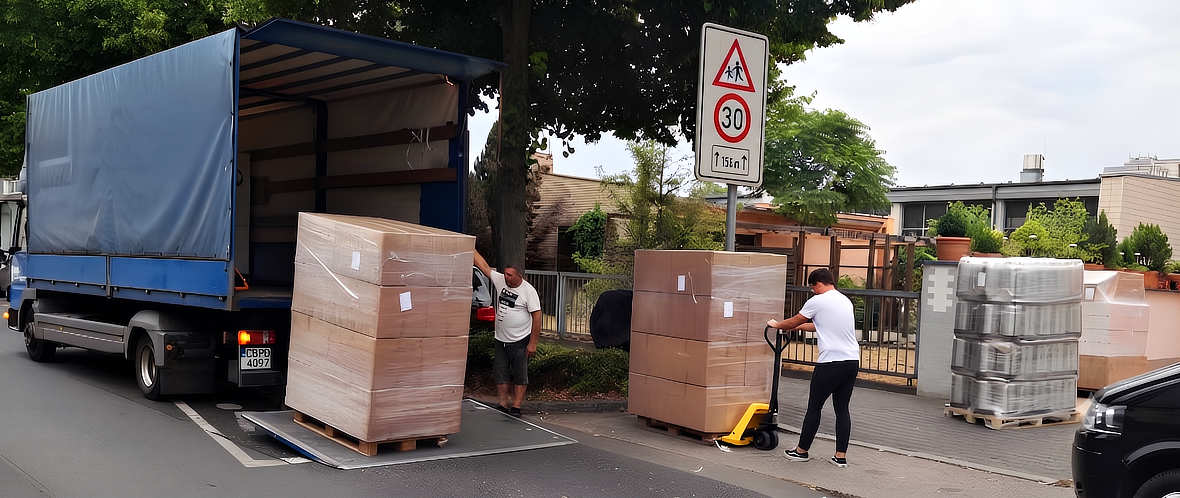
Rocketpacks supplies professional beverage dispensing equipment to customers across Europe and worldwide. Our international business includes individual orders, larger commercial quantities and project-based deliveries.
Depending on the destination and shipment volume, orders can be arranged as parcel deliveries, palletized freight or international air and sea freight.
For export shipments, we coordinate the required commercial documentation and customs procedures according to the agreed delivery terms.
As a direct supplier, we remain your point of contact throughout the ordering process, from the initial enquiry to the preparation and dispatch of your shipment.
Mobile Beverage Promotion and Brand Visibility
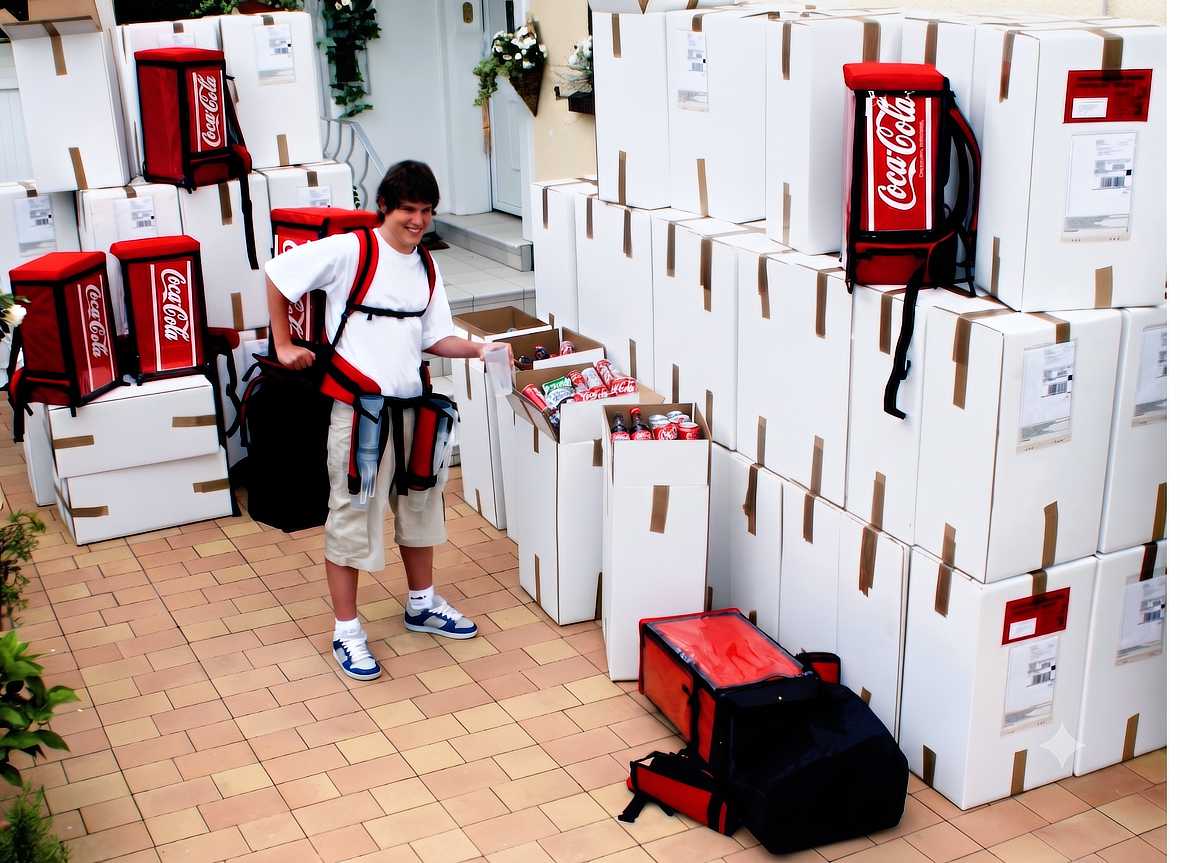
Rocketpacks beverage backpacks and vendor trays combine mobile product distribution with visible brand presentation. They are suitable for beverage sampling, promotional campaigns, product launches and direct customer engagement at events.
Our systems allow promotional staff to move through event areas while serving drinks or distributing packaged products directly to visitors.
Depending on the selected model, advertising inserts, transparent display pockets and individually designed covers provide opportunities to display customer branding and campaign graphics.
From individual promotional activities to larger branded campaigns, Rocketpacks offers practical mobile equipment for a wide range of marketing applications.
Connect with Rocketpacks
Discover more about Rocketpacks, our professional beverage dispensing systems and mobile promotional equipment through our official online channels.
- Rocketpacks – Official German Website
- Rocketpacks on Facebook
- Rocketpacks on YouTube
- Rocketpacks on Alibaba
For product enquiries, quotations and international orders, please contact our team directly.